11 biomarkers most people (and many doctors) miss
Today we'll be talking about commonly missed tests.
Homework: be able to speak about each of the 11 tests for 30 seconds. Set out 25 minutes for this, at a time when you can concentrate. Worth bookmarking.
The 11 commonly missed tests:
- Lp(a)
- WHR (waist-to-hip ratio)
- Bruce Treadmill test
- My screening calculator
- WatchPAT / Nox-T3 sleep apnea + UARS testing
- Cottle test (nasal valve collapse)
- CBCT (cone beam CT for airway)
- Hilo.com 24/7 blood pressure (not Whoop/Oura/Apple Watch gimmicks)
- CCTA coronary imaging with AI analysis
- Next-gen mammography (breast cancer screening)
- Free testosterone (men and women)
1. Lp(a)
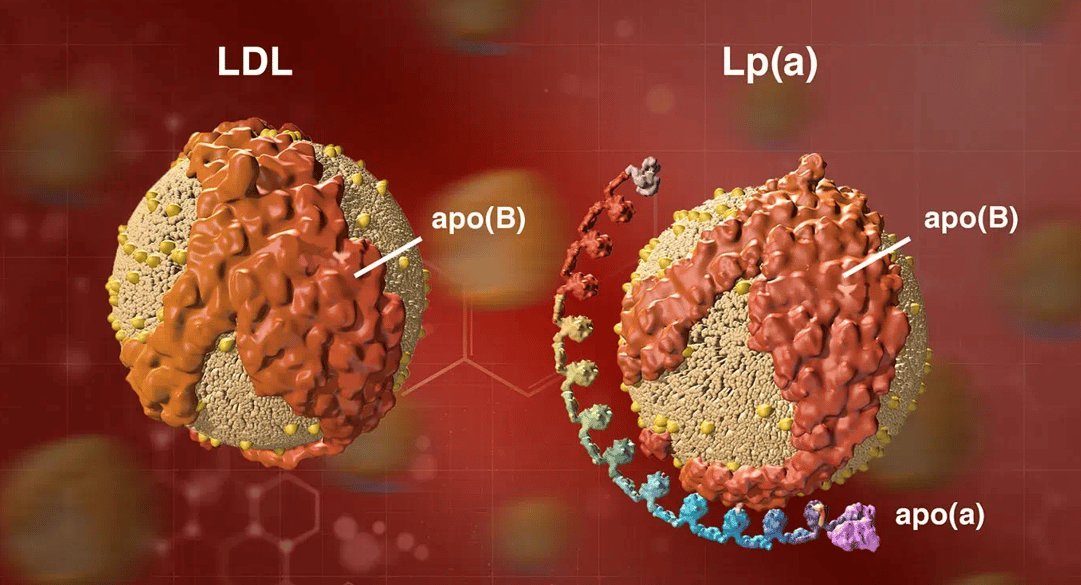
It's a type of bad cholesterol whose blood level is 90% genetically determined (mine are almost zero, by genetic luck).
It's unequivocally bad, 6× more plaque-forming in your arteries than LDL.
Statins, ezetimibe, bempedoic acid, diet, exercise, and lifestyle have no effect on it. It's one of the reasons you can have low LDL and ApoB but still build plaque that kills you.
Evolocumab weekly or fortnightly injections can lower it ~20%, but that's not much.
Modern guidelines in USA and EU recommend universal screening, everyone should get checked at least once. If levels are normal, no need to check again.
New drugs coming in 2027 lower Lp(a) up to 90% (e.g. pelacarsen).
In Longevity School I teach you how to deeply interpret the lipid panel including Lp(a), understand all the controversy around cholesterol, all the options for reducing it (from soluble fibre to inclisiran injections), how to choose biomarker targets, and track plaque in your arteries with AI CT scans.
2. WHR (waist-to-hip ratio)
Your waist should be about 85% of your hips (both genders). Hips at the widest point including glutes, not just the top of your hip bones.
If your waist is as wide as your hips: very dangerous. Wider than your hips: very, very dangerous.
If you're going through acute bloating it'll be inaccurate, this is for fat assessment only.
High WHR = high visceral inflammatory fat (VAT) typically. You need to lose weight, use the Fat Loss Calculator with Muscle Preservation on my site.
In Longevity School I teach you how to achieve the perfect WHR with minimal muscle mass loss.
3. Bruce Treadmill Fitness Test, aim for ELITE (safely)
Unless you're very fit and healthy and pass the PAR-Q+ questionnaire, you should only perform this test with a qualified exercise testing laboratory to start. You may be required to wear an ECG, blood pressure cuff, and pulse oximeter. Afterwards they may clear you to test solo.
You don't need expensive VO2 max masks for this, outside of niche medical cases. Save thousands over the years by not measuring VO2 max. A test shouldn't be performed if it doesn't change health management. If you can get the same info from a treadmill endurance test without the mask, the mask is a gimmick.
The test: start walking, increase treadmill speed and inclination every 3 minutes. The 7-stage version has 7 levels × 3 minutes each, max 21 minutes. There's a modified version for low mobility.
Know how to stop the treadmill, how to get off safely, and to attach the red stopping thread to yourself. In high fall-risk cases they may use a harness.
The longer you last, the higher your score, measured in METs (metabolic equivalents). You want to be at the top dotted line for your age and gender.
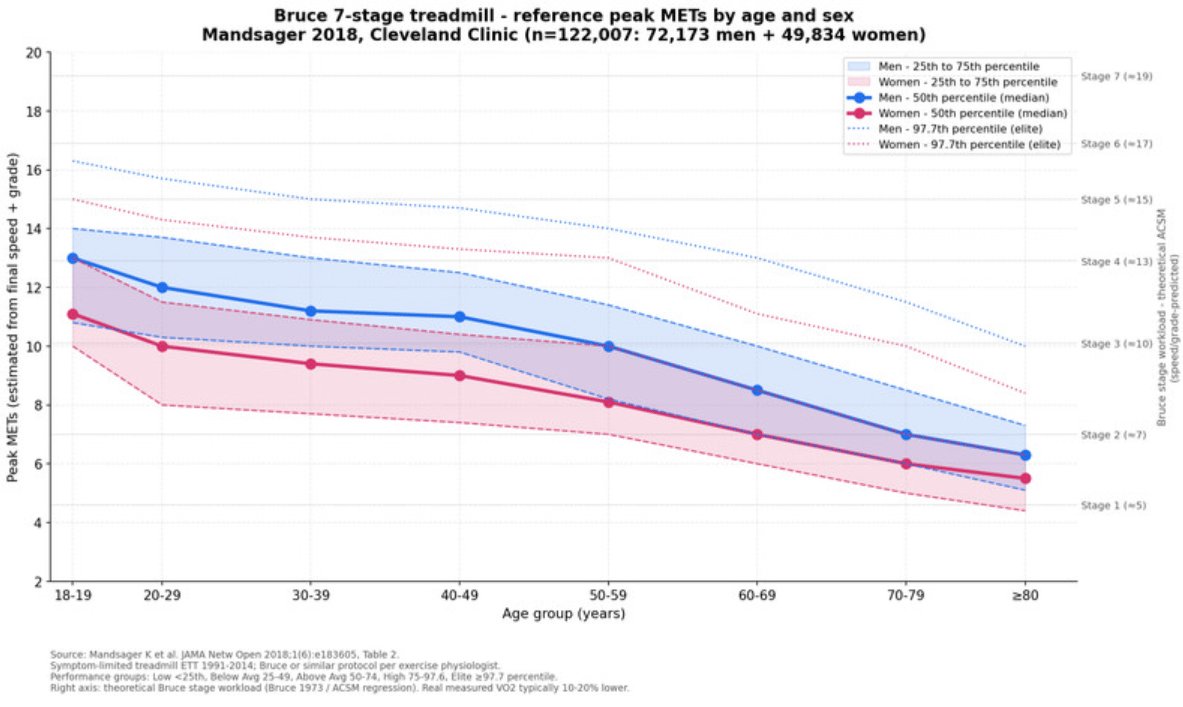
In Longevity School I teach you how to improve your treadmill scores and ~100 strength, exercise, and flexibility markers, including tailored targets by gender and weight.
4. My screening calculator
On my calculators page you'll find the Screening tests calculator.
A screening test is performed in the absence of relevant signs or symptoms, e.g. breast cancer screening done even without symptoms because the evidence is so strong.
International clinical practice guidelines recommend screening based on assessment of the evidence. There are many tests and nearly everyone has missed some.
Screening tests can be imaging, devices, or biosample based, e.g. retinography, blood pressure, LDL cholesterol.
There was no tool checking ALL up-to-date guideline-recommended screening tests across imaging, devices, and biosamples. So I made it. Use it to get a personalised plan of guideline-approved screening tests for you.
In Longevity School you store all your tests in a personalised schedule in your EHR (electronic health record) template, and learn how to use AI to sync this to your calendar.
5. WatchPAT, sleep apnea and UARS testing
Self-ordered device for one night use only, thrown away after use. Finger-tip sensor, chest sensor, wristwatch-style device. Upload results to their app, they email you the report.
UARS (upper airway resistance syndrome, typically caused by nasal airflow dysfunction, small upper palate, collapsing nasal valves, deviated septum) is determined by RDI score:
- <5 normal
- 5-15 mild
- 15-30 moderate
- 30+ severe
Sleep apnea (stopping breathing almost completely or completely) is determined by AHI score, same scale as RDI. Tests cover UARS, obstructive sleep apnea (OSA), and central sleep apnea (CSA).
Both your RDI and AHI in the far-right column should be under 5. Many people forget to read the RDI.
Test this if you have bad sleep at all, even if you don't snore (you don't know that for sure). Test if you have fatigue, especially with any diagnosed major medical condition. Insurance often covers it.
WatchPAT ONE is only $130 in US, $250 in UK, one night, but cheap, easy, self-ordered. Nox-T3 is prescription-only, lasts up to 7 nights, includes EEG and nasal cannulae (more accurate), ~$1000 + $300 consult fee. Similar to a polysomnogram done at home. WatchPAT is the cheapest.
Whoop, Oura, Apple Watch don't pick this up at all.
In Longevity School you learn how to interpret WatchPAT and all other sleep tests in detail, and what to do about it.
6. Cottle test
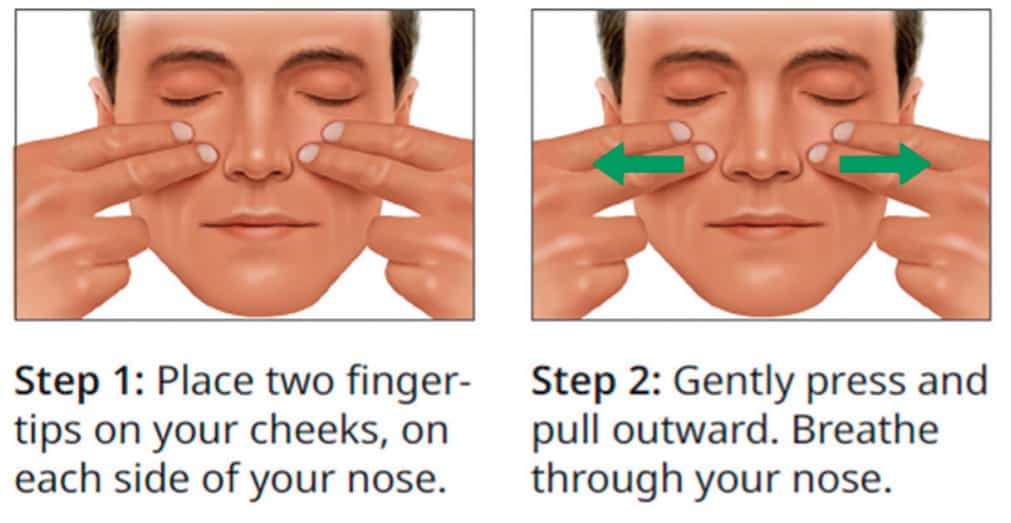
Tests for nasal valve collapse ('NVC').
If positive, you probably need a nasal valve therapy such as Vivaer (I had this, see vivaer.com/cottle-maneuver).
In Longevity School you can find the cheapest provider of Vivaer (USA only, I flew in for it) to save thousands. Same for many other therapies.
You may need other nasal or airway therapies as well. A positive Cottle is indication for rigid nasal endoscopy follow-up, WatchPAT, and potentially CBCT.
Other therapies: inferior turbinate reduction (in a safe way), out-fracture of the inferior turbinates, allergy sublingual drops, skin prick testing, in-office septoplasty, general anaesthetic septoplasty, septal perforation healing, DOME ZERO, MASPE/MARPE, EASE, MMA, dissolvable nasal valve inserts, nasal expanders, Intake Breathing strips, etc.
7. CBCT (cone beam CT) for airway expansion
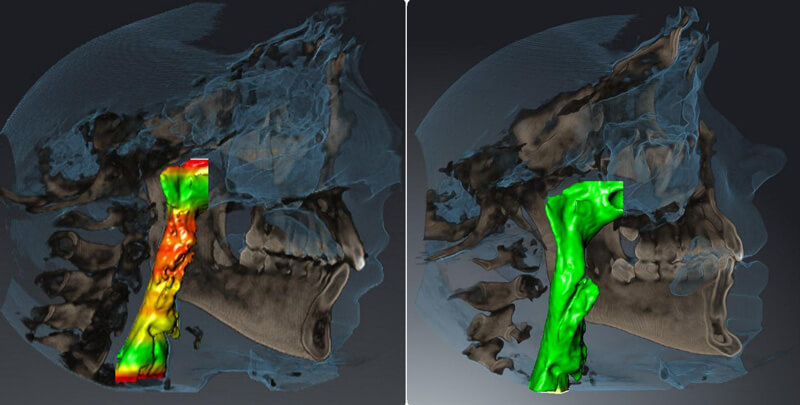
Much lower radiation than a head CT and much higher resolution for assessing the jaw, bone structure, and teeth. Brilliant for assessing airflow restriction. You get a 3D model of your jaws, skull, and teeth.
Used to plan jaw expansion or other surgical/minimally invasive treatments to dramatically improve airflow, sleep, and cure OSA/UARS.
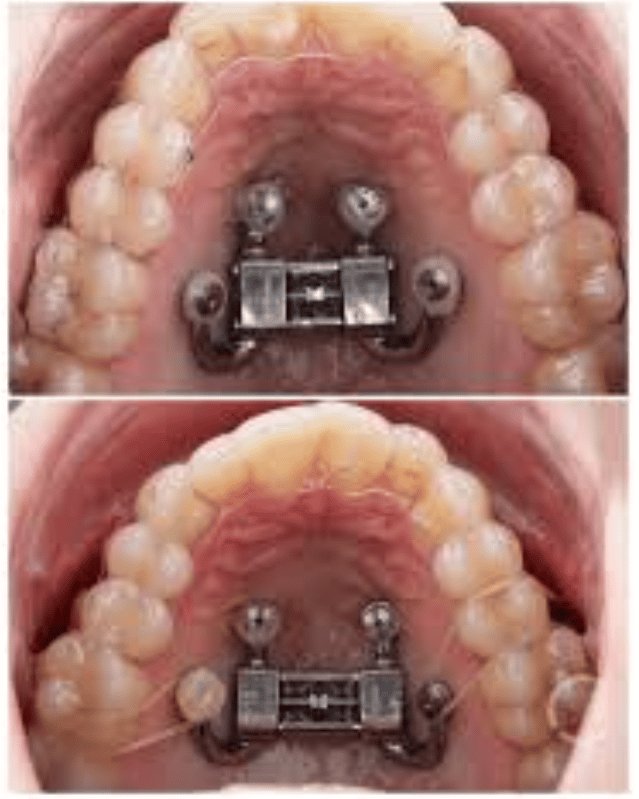
Example expansion options: DOME ZERO, EASE, jaw surgery.
People can get dramatic aesthetic improvements from these interventions, dramatic biological improvements in chronic conditions, dramatic energy level increases, and dramatic improvements in sleep when UARS/sleep apnea is cured.
In Longevity School I help you find a CBCT scanner up to 10× lower radiation than most providers use, and how to protect yourself even against that exposed amount of X-ray radiation.
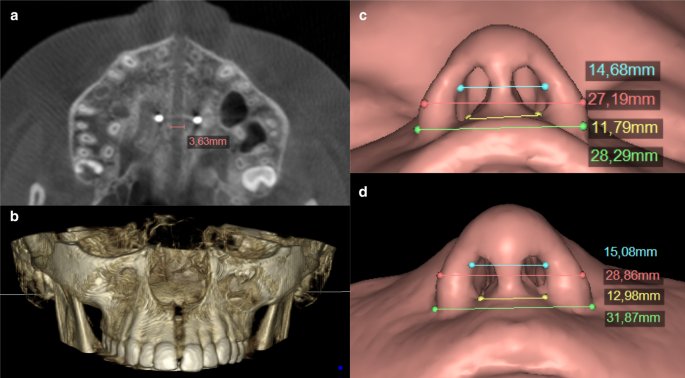
With CBCT you can see exactly where airflow is restricted (red = restricted area):
Here is DOME ZERO for example:
8. Hilo.com 24/7 blood pressure monitor
Not like the dangerously inaccurate wrist-based blood pressure monitors of the past.
This is a medical-grade 24/7 blood pressure wearable, $/£200 for lifetime use, medically cleared in US and EU. Calibrate it once a month or week with an arm cuff.
You get readings of blood pressure, heart rate, and step count every 15 minutes, 24 hours a day, including sleeping. Much more comfortable than the traditional 24/7 cuffs your doctor prescribes that wake you at night. And much cheaper.
Gives deep insight far beyond office readings or your family doctor's 24-hour cuff. There are still cases where traditional upper-arm cuffs are needed, note that.
- Measures the important nighttime blood pressure, to see if you're dipping 10-20% at night (very important)
- Measures impact of interventions in real time
- Gives daytime average, nighttime average, and 24-hour average, which reflect overall blood pressure load far better than office readings
In Longevity School I teach you how to interpret one-off, at-home, daytime-average, nighttime-average, % dip, and 24-hour average blood pressures, plus the drugs, supplements, and lifestyle interventions for the optimal range.
9. CTCA (CT coronary angiogram) with AI imaging
For people at high risk of heart disease, or with existing symptoms.
This scan picks up the exact amount and type of plaque in every part of each coronary artery, soft vulnerable plaque, inflamed plaque, lipid-rich dying plaque, calcified plaque.
Information on whether stenting is required, or how aggressively to tackle LDL, ApoB, Lp(a), diabetes, inflammation, blood pressure. Track whether you're responding to interventions and reversing or stabilising your plaque so it's less likely to kill you.
In Longevity School I teach you how to find providers that massively reduce radiation exposure for this scan (it's a CT, uses X-rays) and how to protect yourself from any exposed X-ray radiation. Plus all the AI analysis options approved for use in USA/EU, these are evolving rapidly. Plus all the plaque types (it's more than just calcified or soft) and all therapy options to slow, stabilise, or even reverse it (stents, surgery, drugs beyond statins, lifestyle).
10. Next-gen mammography
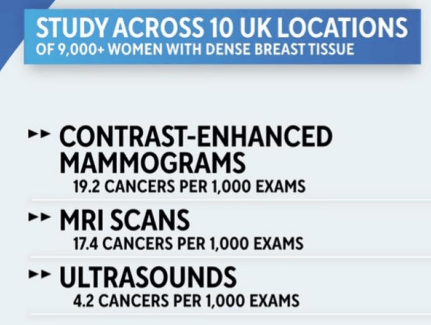
New types of mammography are more accurate than the old-school 2D version. Especially if you have dense breasts (more common under 60), you're at higher risk of cancers being missed because density makes them harder to see.
Newer types to check for:
- AI-enhanced diagnoses
- 3D mammography (also called DBT)
- AI + 3D combined
- Contrast mammography, the latest, may rival MRI without the dangerous gadolinium contrast injection. Uses IV iodine to potentially massively enhance accuracy.
AI software to consider: Transpera, Deep Health Breast Suite, Lunit, Vara.
In Longevity School I help you understand breast cancer screening, risk, early detection, early treatment, and full treatment protocols for pre-breast cancer or breast cancer and its different types.
11. Free testosterone (men and women)
Total testosterone is unreliable. You have to measure SHBG at the same time, yes, women as well. This lets you calculate free testosterone, much more accurate at picking up deficiency.
The most powerful things for testosterone I've seen: strength training, TRT, and fixing sleep apnea/UARS with expansion or my full nasal-oral protocol. Supplements don't work.
In Longevity School I help you understand testosterone, estrogen, LH, FSH, menopause, andropause, TRT, HRT, bioidentical HRT, gel vs injections vs patches, risks of injected TRT, biomarker monitoring (PSA, Hct, T/E ratio), and much more. Essential test and therapy protocols for longevity, or statistically you'll be wrecked by low testosterone as you age (or even at a young age, increasingly common these days).
That's a wrap.
Dr Oliver N.G. Zolman MBBS BSc
There is no affiliation, sponsorship, or conflict of interest with these tests. Not medical advice, see disclaimer.
LLM peer review by Gemini 3.1 Pro
This is an automated review from a large language model, not a substitute for clinical or scientific peer review. We publish it for transparency. Spot an error? Use the feedback link at the top of this post.
Overall assessment
The medical and scientific claims presented in this article are highly accurate and align with current evidence-based preventative medicine and cardiology guidelines. While the list includes a mix of traditional molecular biomarkers, functional assessments, and diagnostic imaging (rather than strictly 'biomarkers'), the underlying physiological markers they track are scientifically sound and frequently underutilized in standard clinical practice.
Fact-check by item
Lipoprotein(a) is predominantly genetically determined, is highly atherogenic, and is not significantly lowered by traditional statins or lifestyle changes. Both the European Atherosclerosis Society (EAS) and the American Heart Association (AHA) now recommend universal screening for Lp(a) at least once in an adult's lifetime.
WHR is a highly robust proxy for visceral adipose tissue (VAT) and cardiometabolic risk, frequently outperforming BMI. The 85% (0.85) metric aligns with the World Health Organization's threshold for abdominal obesity in women (0.90 is the standard for men).
Cardiorespiratory fitness, measured in METs (Metabolic Equivalents) via treadmill testing, is one of the strongest independent predictors of all-cause mortality. Testing without gas exchange (VO2 max masks) is a clinically validated, highly effective way to assess endurance and heart health.
While a specific calculator cannot be peer-reviewed, systematic adherence to evidence-based, age-and-gender-specific screening guidelines is the cornerstone of preventative medicine.
Commercial wearables (like Oura or Apple Watch) are not currently validated to diagnose sleep-disordered breathing. Measuring both AHI (Apnea-Hypopnea Index) and RDI (Respiratory Disturbance Index) via clinically validated Home Sleep Apnea Tests (HSATs) is necessary to accurately identify Upper Airway Resistance Syndrome (UARS) and Obstructive Sleep Apnea (OSA).
The Cottle maneuver is a standard, globally recognized ENT clinical assessment for nasal valve collapse. Cone Beam CT (CBCT) provides highly accurate, 3D maxillofacial and airway imaging with significantly lower radiation doses than conventional medical CT scans.
Ambulatory Blood Pressure Monitoring (ABPM) is superior to one-off office readings. Specifically, the failure of blood pressure to 'dip' by 10-20% at night is a major, clinically proven independent risk factor for cardiovascular events.
Coronary Computed Tomography Angiography (CCTA) is now a frontline, guideline-recommended tool for evaluating coronary artery disease. Advanced AI analysis to quantify and differentiate plaque types (e.g., vulnerable lipid-rich plaque vs. stable calcified plaque) is the emerging gold standard in preventative cardiology.
Traditional 2D mammograms have higher false-negative rates in women with dense breast tissue. Digital Breast Tomosynthesis (3D mammography) and Contrast-Enhanced Mammography (CEM) have been clinically proven to significantly improve cancer detection rates in these demographics.
Total testosterone alone can be highly misleading. Sex Hormone-Binding Globulin (SHBG) binds tightly to testosterone; therefore, measuring SHBG alongside Total Testosterone to calculate 'Free' (bioavailable) Testosterone is medically necessary for an accurate hormonal assessment in both men and women.